Eco-brutalism is an emergent architectural philosophy that marries the stark, rugged aesthetics of brutalism exposed béton brut concrete, functional clarity, and structural honesty with a deep commitment to ecological resilience and sustainability. Rather than viewing concrete as a mere industrial relic, eco-brutalism sees it as a canvas for nature: vines climb raw façades, rooftop gardens bloom over monolithic slabs, and vertical planters reclaim the brutalist geometry.
Eco-brutalism is an emergent architectural philosophy that marries the stark, rugged aesthetics of brutalism exposed béton brut concrete, functional clarity, and structural honesty with a deep commitment to ecological resilience and sustainability. Rather than viewing concrete as a mere industrial relic, eco-brutalism sees it as a canvas for nature: vines climb raw façades, rooftop gardens bloom over monolithic slabs, and vertical planters reclaim the brutalist geometry.
The Philosophical Paradox
Traditional Brutalism itself emerged in the mid-20th century, deeply influenced by Le Corbusier’s concrete constructions (béton brut) and post-war pragmatism. Its hallmarks: exposed raw concrete, geometric form, minimal ornamentation, and a philosophy of honest materiality. They were later criticized for their oppressive scale and significant environmental impact, largely due to the carbon-intensive nature of conventional cement production.
Eco-Brutalism is perhaps the radical reformation of this legacy. At its core, it reinterprets the brutalist legacy, not as cold or dystopian, but as a framework for permanence, density, and durable infrastructure, infused with biophilic and passive design strategies.
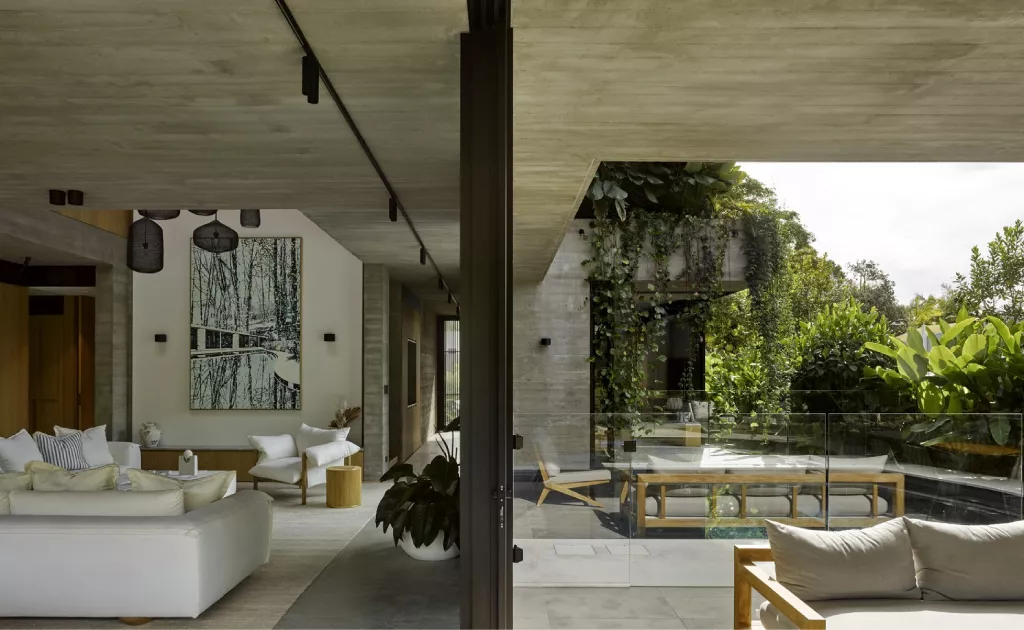
Witta Circle House by Shaun Lockyer Architects in Australia | Hommes
Key principles defining this movement include:
- Biophilic Integration: Moving beyond superficial planters, Eco-Brutalism intentionally integrates nature as a functional layer. Vertical gardens, moss-covered façades, and expansive green roofs act as natural insulation, reduce the urban heat island effect, improve air quality, and actively enhance urban biodiversity, turning buildings into curated ecosystems.
- Material Responsibility: The movement pushes for mitigating the embodied carbon of concrete by prioritizing low-carbon alternatives, such as using fly ash or slag-based composites, and incorporating massive amounts of recycled materials like salvaged steel and reclaimed wood. The aim is to leverage concrete’s inherent ability to regulate indoor temperatures while minimizing its upstream carbon debt.
-
Passive Performance: These designs rely heavily on passive cooling and lighting strategies. Deep concrete overhangs provide necessary shade in harsh climates, while cross-ventilation systems and strategically placed voids minimize reliance on mechanical HVAC, significantly reducing operational carbon emissions over the building’s lifetime.
Strategic Application and Commercial Viability
Eco-Brutalism also presents distinctive and commercially profitable avenues for development, particularly in high-density urban settings and specialist sectors:
1. High-Density Vertical Ecosystems (The Premium Market)
The most visually successful and profitable application lies in luxury residential and mixed-use towers, pioneered by projects like Stefano Boeri Architetti’s Bosco Verticale in Milan. By using the exposed concrete balconies as robust planters for hundreds of trees, these structures achieve unprecedented urban density while simultaneously offering premium tenants direct, biophilic access. This model successfully monetizes the “green amenity,” yielding higher property values and providing developers with a powerful, globally recognized sustainability brand identity. The rugged concrete form becomes the durable, low-maintenance framework for the high-value living system.
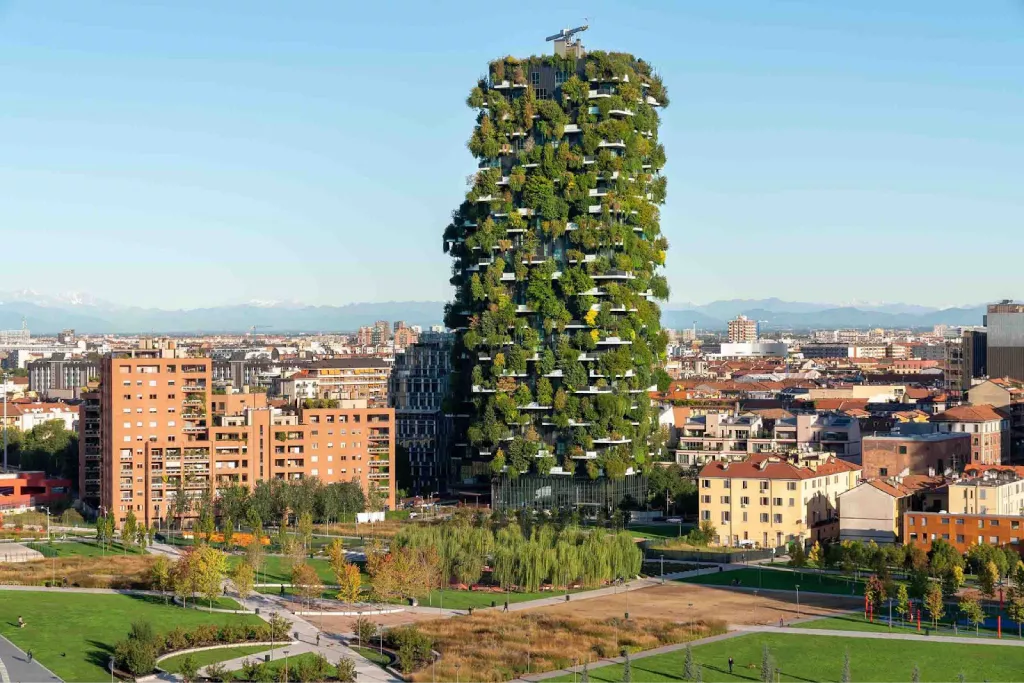
Bosco Verticale, Milan | Boeri
2. Adaptive Reuse and Retrofitting
Eco-Brutalism is exceptionally well-suited for the adaptive reuse of existing, often-maligned Brutalist civic and residential structures. Iconic examples like the Barbican Centre in London or retrofitting concepts for Boston City Hall demonstrate the financial viability of transforming structurally sound concrete monoliths. By adding green roofs, implementing energy-efficient glazing, and upgrading mechanical systems, developers can extend the lifespan of these durable assets, minimize waste, and secure carbon-reduction certifications, maximizing profit through conservation rather than demolition and new build.
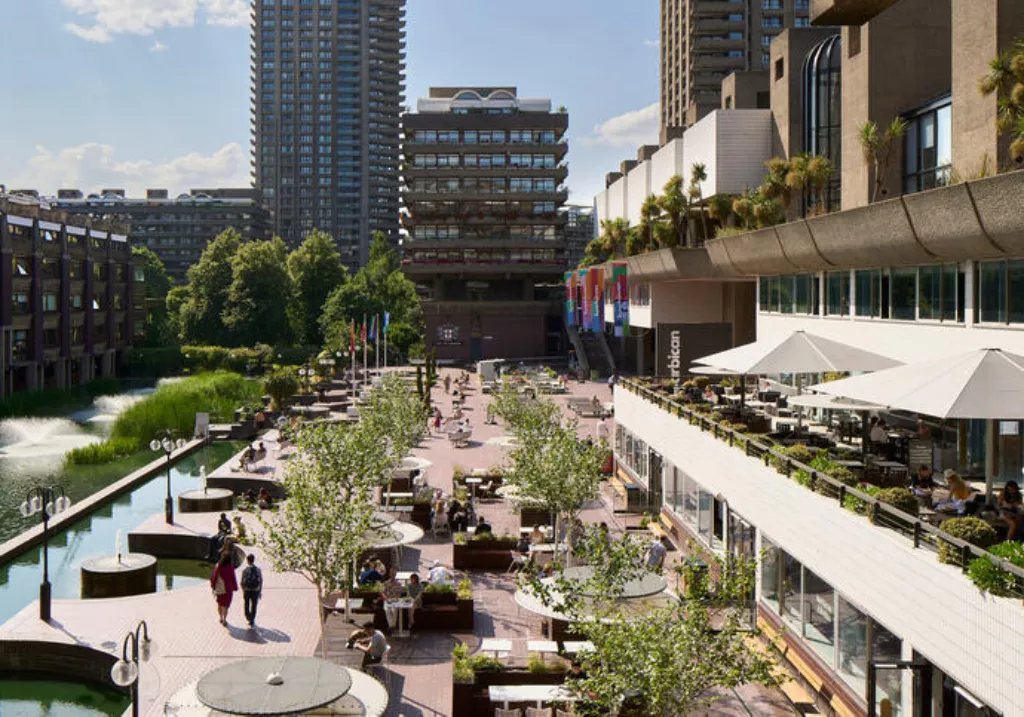
Barbican Centre, London by Allies & Morrison and Asif Khan Studio, in collaboration with Hood Design Studio (Landscape Architects) | Barbican
3. Specialty Resorts and Climate-Responsive Housing
In tropical and humid climates, Eco-Brutalism thrives by utilizing the material’s resilience and thermal properties. Projects like Studio mk27’s Jungle House in Brazil or SHATOTTO’s Mamun Residence in Bangladesh employ massive concrete shells to protect against harsh weather, while integrated greenery and open courtyards manage airflow and provide necessary shading. These designs are highly valued in the eco-luxury resort market, where the structure’s rugged, climate-responsive honesty commands a high premium.
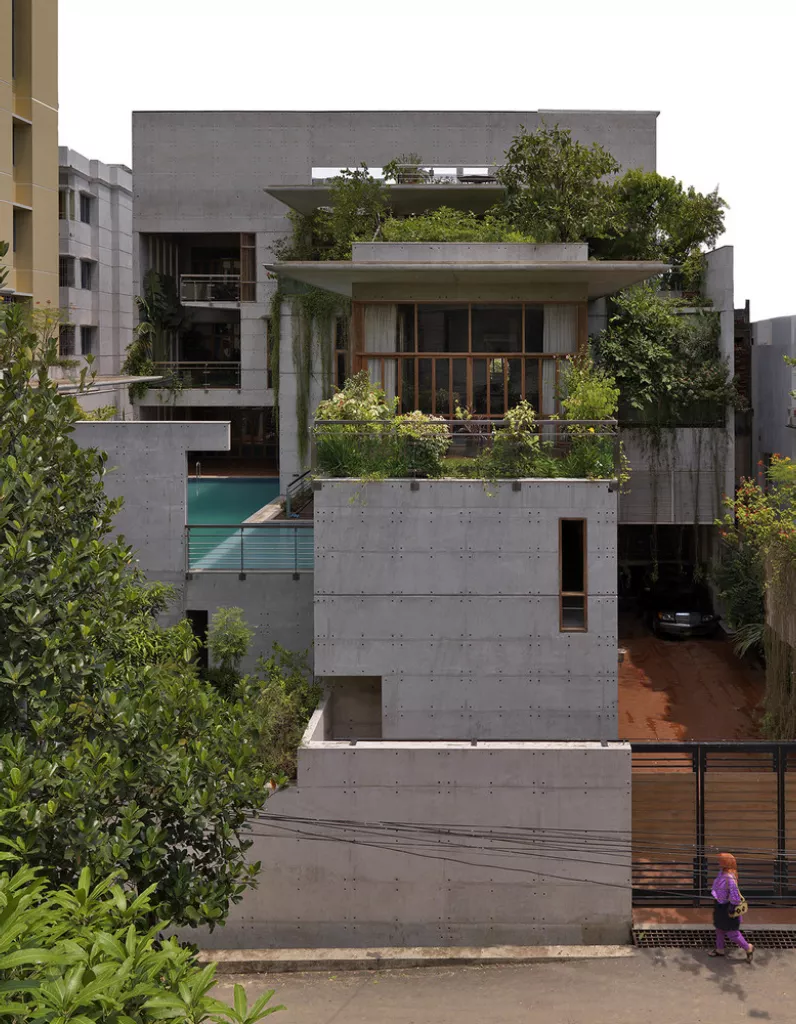
Mamun Residence, Bangladesh | Archdaily
The Double-Edged Monolith: Advantages and Systemic Challenges
Core Advantages
- Longevity and Durability: Brutalist structures are typically long-lived; when combined with low-carbon concrete and robust detailing, their environmental amortization improves.
- Thermal Performance: Green façades and roofs help regulate indoor temperatures, reducing energy demand for heating and cooling.
- Biodiversity and Well-Being: Vertical gardens and green roofs reintroduce nature into the urban fabric, improving mental health, air quality, and ecological connectivity.
- Visual & Emotional Impact: The contrast of rugged concrete and lush greenery creates a powerful, almost sculptural effect that resonates emotionally and aesthetically.
-
Sustainability Messaging: For developers, eco-brutalism can be marketed as a premium, forward-looking model offering “green yet monumental” design that signals consciousness towards climate and permanence.
Critical Challenges
- The Carbon Paradox: The most significant critique remains the embodied carbon associated with traditional concrete. Critics argue that adding a few trees does not fundamentally offset the monumental environmental cost of cement production. For the movement to be truly sustainable, it must religiously enforce the use of low-carbon, recycled, and alternative cementitious materials.
- Maintenance and Cost of Greenery: Living walls and complex vertical gardens require sophisticated irrigation and extensive, costly long-term maintenance by specialists to prevent plant failure and structural damage. This can raise operational costs significantly, potentially making the style inaccessible to lower-budget or social housing projects.
-
Risk of Greenwashing: The striking visual juxtaposition of raw concrete and lush greenery is highly marketable, making it vulnerable to greenwashing, where developers adopt the aesthetic while ignoring the underlying sustainable principles (passive design, rainwater harvesting, material recycling). If Eco-Brutalism becomes a superficial cladding choice, its ethical force is lost.
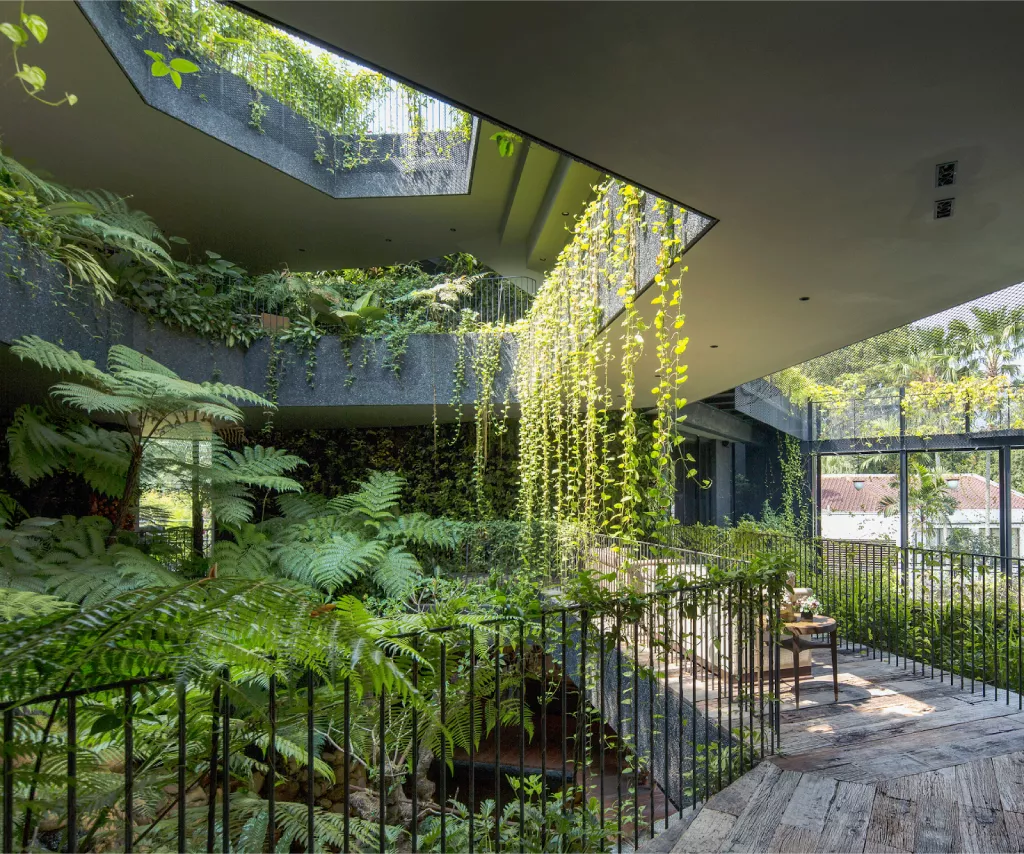
Eco-brutalist design at Cornwall Gardens House, Singapore by CHANG Architects | Homes & Gardens
Eco-Brutalism demands a new, uncompromising contract between design, material, and ecology. Practitioners such as Shatotto Architecture, Studio MK27, Formafatal, and Jean Nouvel have already begun honoring eco-brutalist principles in projects where raw concrete terraces cradle gardens, green roofs soften monolithic volumes, and hydroponic walls merge technological intelligence with ecological performance. Global giants like WOHA (Singapore-based) and COBE (Copenhagen-based) are making a bold statement against architectural consumerism, favoring forms “made to stay” rather than those just “made to be seen.”
References
- https://the-ethos.co/what-is-eco-brutalism/
- https://www.homesandgardens.com/gardens/what-is-eco-brutalism
- https://hommes.studio/journal/eco-brutalism-sustainable-design/
- https://worldlandscapearchitect.com/from-concrete-to-canopy-the-rise-of-eco-brutalism/
- https://www.theguardian.com/artanddesign/gallery/2024/may/11/
- https://www.archdaily.com/1032094/understanding-eco-brutalism-the-paradox-of-structure-sustainability-and-style
- https://www.wallpaper.com/architecture/eco-brutalism
- https://thursd.com/articles/eco-brutalism-with-plants.
- https://arkiste.com/blog/eco-brutalism-how-to-make-concrete-bloom