
Work by Radha Khera
The fashion industry, a multibillion-dollar global powerhouse, plays a pivotal role in the global economy. However, it also has a profound environmental footprint, contributing significantly to issues such as carbon emissions and global warming.
The proliferation of fast fashion, characterized by rapidly changing trends and cheap production, has exacerbated the industry’s unsustainability, leading to increased pollution, waste, and resource depletion. Moreover, the widespread use of synthetic fabrics—often produced with harmful chemicals—poses serious risks to both workers’ health and the environment, contaminating water supplies and harming ecosystems.
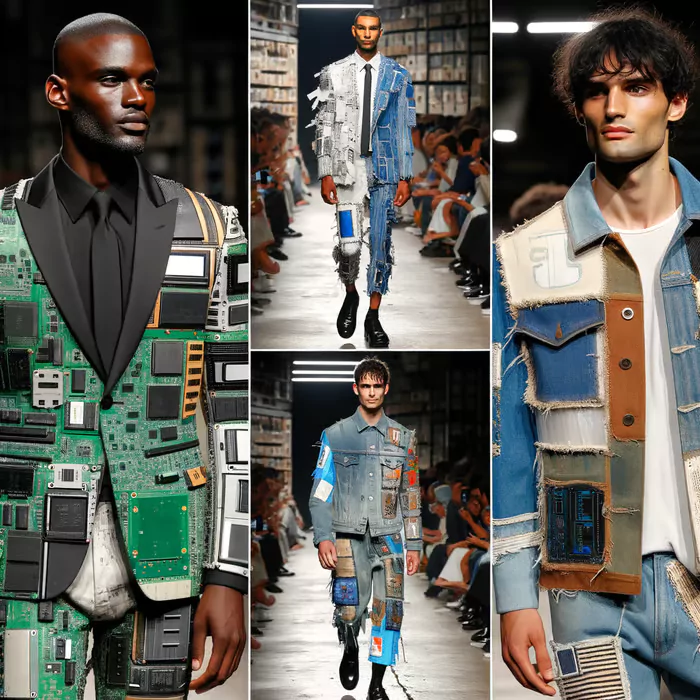
AI Generated Recycle Material Fashion Vision
Hence, sustainability is becoming vital in fashion as consumers grow conscious of their environmental impact. Sustainable fashion design prioritizes people, the planet, and economic balance. It emphasizes ethical practices, such as using eco-friendly materials, natural dyes, and renewable energy, while minimizing waste and energy consumption.
Responsible production ensures fair wages, safe working conditions, and ethical supply chains.By adopting sustainable practices, the fashion industry can reduce its environmental footprint and create a more equitable and eco-conscious future.
Sustainable Fashion Brands that are Pioneering Eco-consciousness
As consumers grow more environmentally conscious, some of the fashion brands are adapting to sustainable trends that align with eco-friendly values.
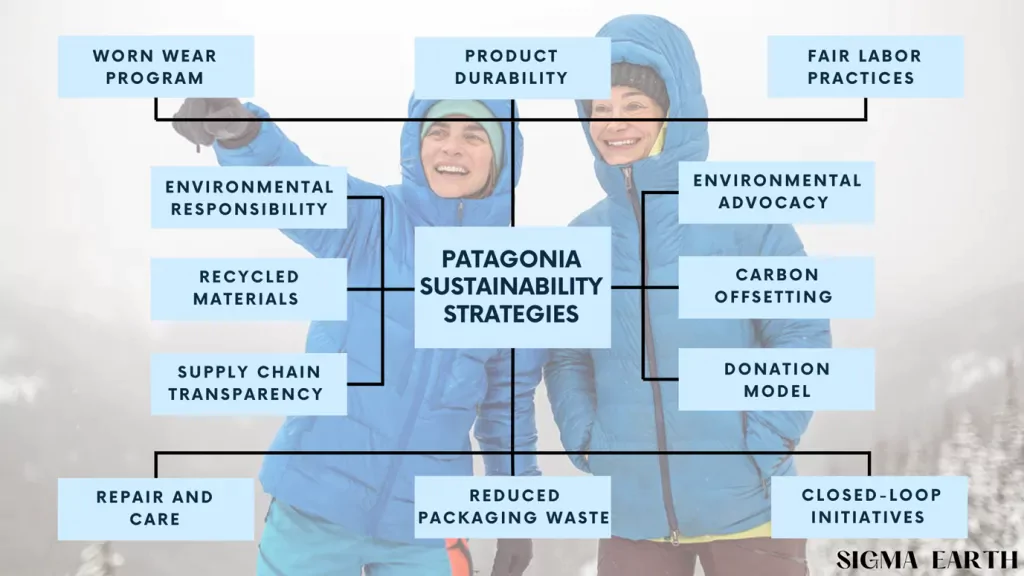
Patagonia Sustainability Strategies
Patagonia
Patagonia is a pioneer in sustainable fashion, using eco-friendly materials such as recycled polyester, organic cotton, and wool to create its products. The brand’s Worn Wear initiative encourages garment repair and reuse, promoting a circular economy to minimize waste and extend product life.
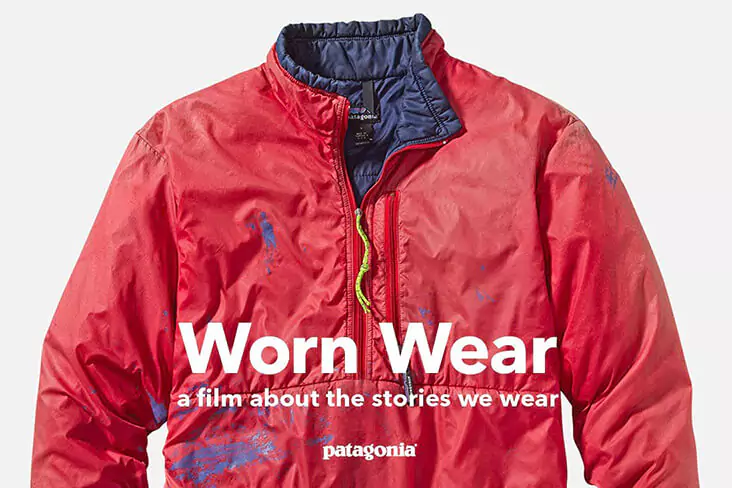
Build to last clothing
Stella McCartney
Stella McCartney leads the way in cruelty-free fashion, being one of the first luxury brands to go fur-free and leather-free. The brand uses sustainable materials like organic cotton, Tencel, and innovative leather alternatives. Through its Stella McCartney Cares program, it advocates for circular fashion by encouraging consumers to recycle or donate items.

Stella McCartney Material exploration
Reformation
Reformation focuses on creating stylish, eco-conscious pieces using sustainable fabrics like organic cotton, Tencel, and upcycled materials. The brand is dedicated to reducing its carbon footprint by optimizing its manufacturing processes, conserving water and energy, and minimizing waste.
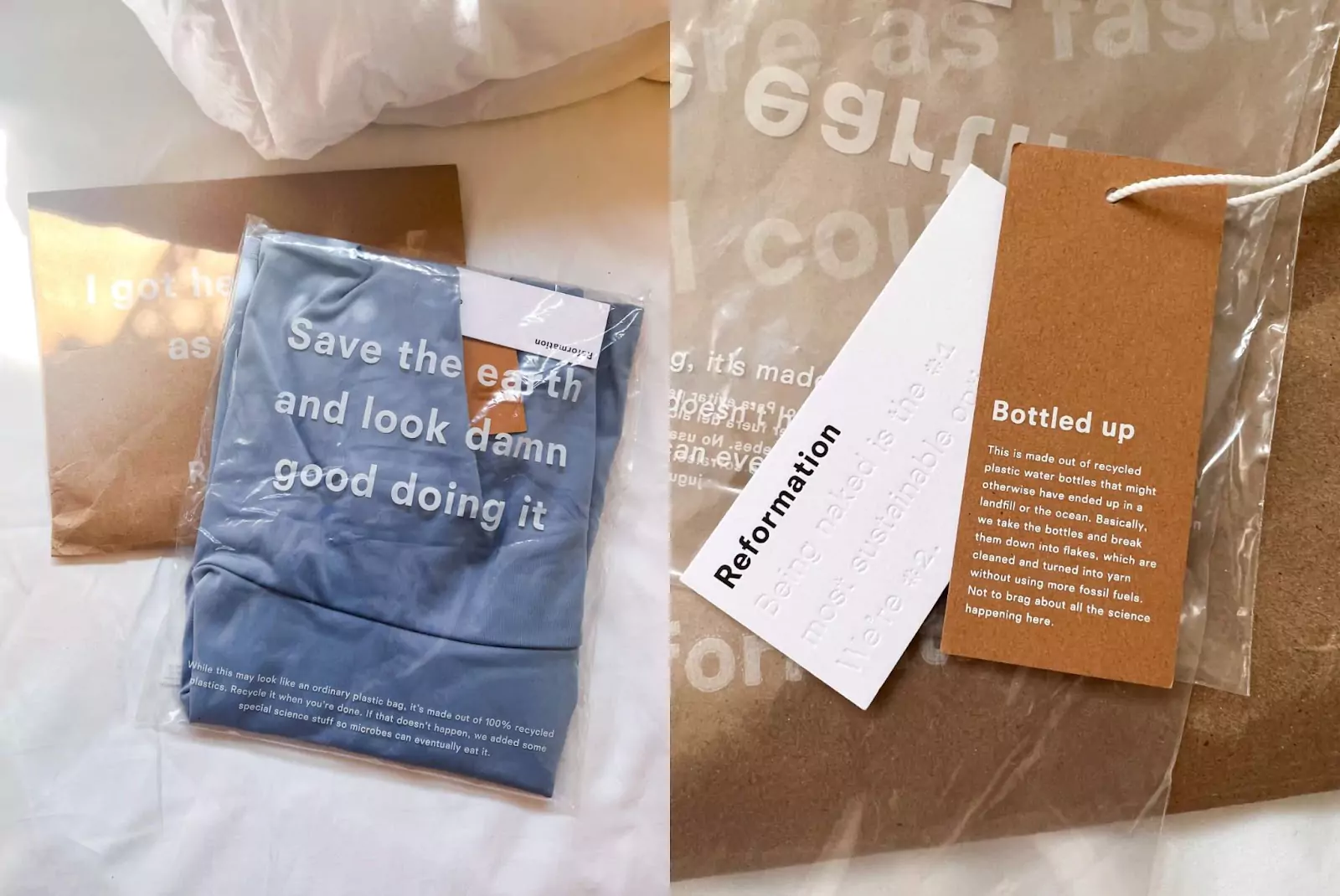
Reformation transparency through packaging
Everlane
Everlane champions ethical production through its “Radical Transparency” initiative, disclosing the true cost of manufacturing, including labor and materials. The brand uses sustainable fabrics such as recycled polyester, organic cotton, and ethically sourced wool. Its “Choose What You Pay” model helps combat overconsumption by encouraging mindful purchases.
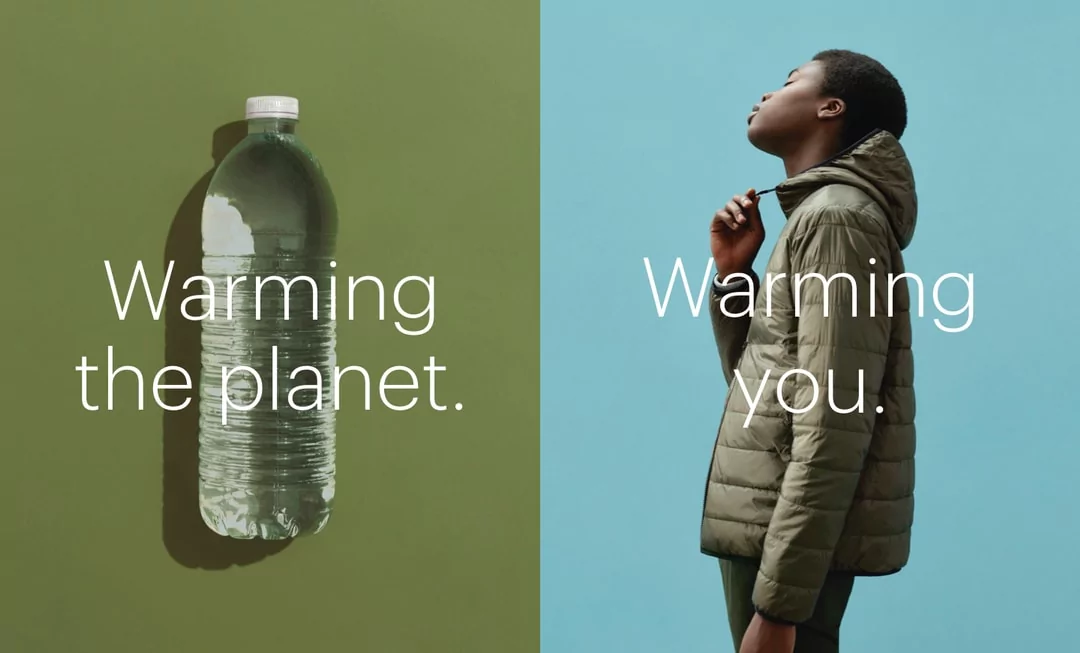
Everlane ReNew Campaign
Toms
Toms combines sustainability with social impact by using eco-friendly materials like organic cotton, recycled polyester, and natural rubber in its footwear. Beyond sustainability, the brand gives back to communities by donating shoes to children in need and supporting clean water and mental health programs worldwide.
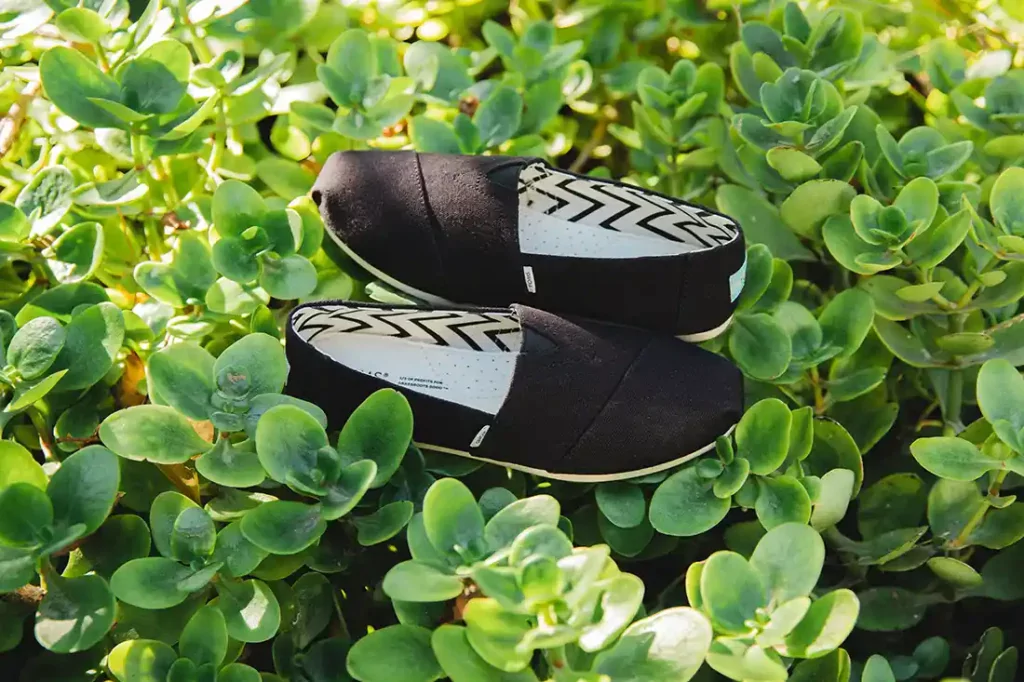
TOMS Launches Sustainability Campaign
Recent Types of Sustainable Fashion Practices
As sustainability continues to gain importance in the fashion industry, brands are adopting various practices to reduce their environmental and social impact. Here are some of the key sustainable fashion approaches gaining momentum.
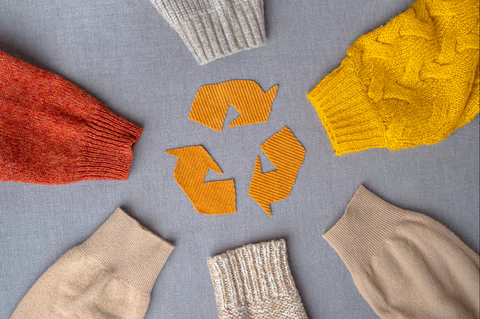
Source : Fabric Sight
Ethical Fashion
Ethical fashion emphasizes fair labor practices, ensuring workers are paid fair wages and work in safe conditions. Brands can achieve this by vetting manufacturers or directly collaborating with artisans to ensure ethical treatment throughout the production process.
Made-to-Order
To combat waste from overproduction, brands can implement a made-to-order model. This ensures that each garment is produced only when an order is placed, reducing excess stock and minimizing waste from unsold items.
Quality and Timeless Design
Focusing on durable, timeless designs that resist fast fashion trends helps reduce waste. By investing in high-quality fabrics and construction, brands can create pieces that last for years, encouraging consumers to buy less and invest in long-lasting garments.
How to Adopt Sustainable Fashion as an Individual
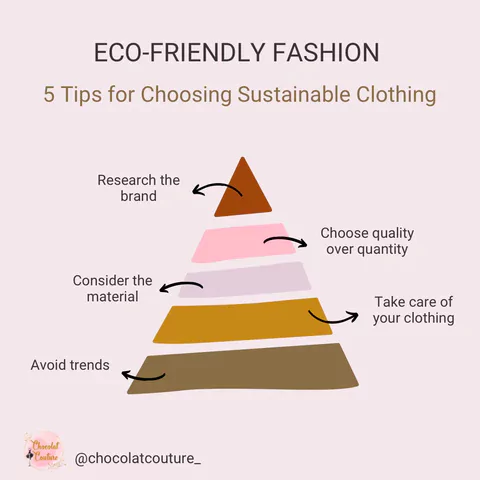
Tips to select eco-friendly fashion
Recycling
Brands repurpose leftover materials and old clothes to create stylish designs, reducing waste in landfills.
Upcycling
Transforms old clothing into unique, innovative pieces, minimizing resource consumption and promoting a circular economy.
Quality over Quantity
Influencers advocate for durable, premium clothing that lasts longer, reducing reliance on fast fashion.
Slow Fashion
Focuses on custom-made, artisanal clothing, emphasizing thoughtful production and longevity.
Thrift Fashion
Encourages buying second-hand items, extending their lifecycle and reducing waste.
Clothing Swaps
Offers a fun, social way to refresh wardrobes while minimizing environmental impact.
Choose Sustainable Materials
Opt for biodegradable and renewable fabrics like organic cotton, wool, and linen; avoid synthetic fabrics like polyester.
Go Minimal
Build a minimalist wardrobe with high-quality, versatile pieces to reduce overconsumption.
Shop from Sustainable Brands
Support brands that use recycled materials, prioritize ethical production, and follow eco-friendly practices.
Invest in Durability
Buy long-lasting clothing to reduce landfill waste and limit frequent replacements.
Care for Your Clothing
Follow care instructions and repair items to extend their lifespan.
Repurpose and Upcycle
Transform old clothing into new items, such as tote bags or accessories, reducing the need for new resources.
Final Thoughts
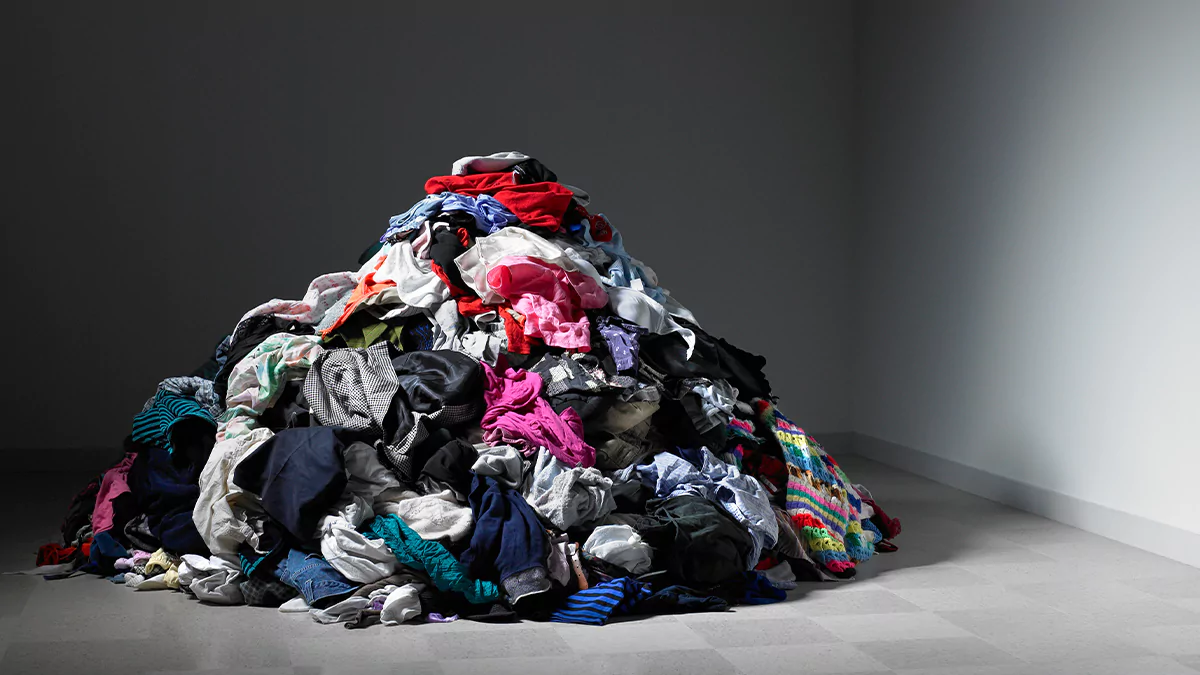
OverHoarding picture by Ryan McVay
As the industry grapples with its significant environmental and social impact, embracing sustainable practices is essential to creating a greener, more ethical future. By prioritizing eco-friendly materials, ethical labor practices, and innovative solutions like recycling and upcycling, fashion brands are proving that style and sustainability can coexist.
Consumers also play a significant role by making mindful choices, such as supporting sustainable brands, investing in quality over quantity, and embracing second-hand fashion. Together, these efforts can transform the fashion industry into a force for positive change, fostering a culture of responsibility and respect for the planet and its people.
References
https://www.patagonia.com/activism/
https://edition.cnn.com/cnn-underscored/fashion/
https://dresslemuse.com/blogs/blog/
https://www.fabricsight.com/blogs/
https://www.stkate.edu/newswire/news/
https://www.vogue.com/article/sustainable-fashion-brands
https://www.harpersbazaar.com/uk/fashion/
https://www.icf.edu.in/blog/design-strategies-for-sustainable-fashion